Planning flatbed hire in English Riviera
Refurbishing a flat in Torquay, collecting fence panels for a Paignton garden or taking reclaimed stone to an extension in Brixham all share one thing: the vehicle is only half the plan. A dropside gives open access from three sides, which makes boards, pipe and pallets easier to handle, but it also leaves the load exposed. Success depends on how well it is restrained, where the truck can stand and who is ready to take the goods off.
This page is for householders, tradespeople and businesses comparing open-bed hire around Torbay. It explains how to pick a body size, why the plated weight is not what you can carry, what licence the larger lorry needs, and how to arrange unloading at a real address. Specifications shown are representative categories. The supplier's booking documents and the vehicle actually allocated decide the details.
One bay, three towns: start with the exact address
The English Riviera is the name used for Torbay on the South Devon coast, taking in Torquay, Paignton and Brixham. That shared identity is handy when describing a project, but it is not something a driver can navigate to. A refurbishment split between a Paignton terrace and a Brixham storage unit is two separate delivery points, each with its own frontage, kerb and neighbours.
Before booking, write down the full receiving address for every drop, the postcode, the side of the road you expect to use and a named contact who will be there. If materials are coming from a merchant, confirm their yard address and collection window as well. Treating each town as a distinct stop, rather than one regional trip, makes it far easier to judge whether a compact dropside or a longer body really suits the day.
Choosing a dropside category for trade and refurbishment work
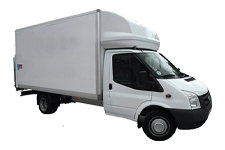
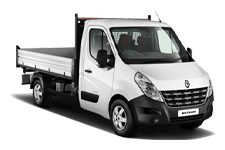
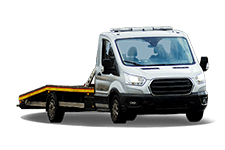
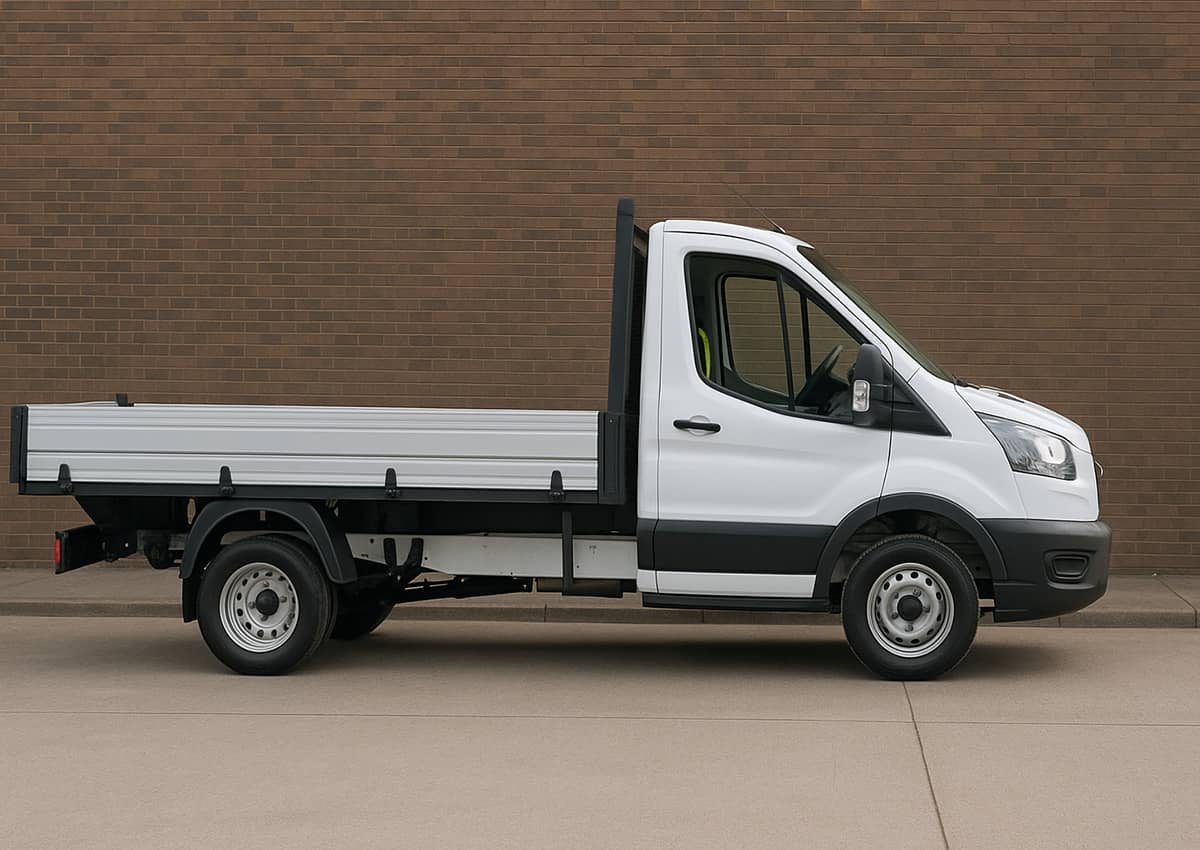
A 3 metre dropside suits a typical kitchen strip-out, bagged plaster, fence panels or a small mixer, and it is easier to position outside terraced housing. A 4 metre bed adds deck length for longer timber, guttering or pipe without stepping up to a lorry. Where pallets or wheeled kit must come down at a property with no forklift, a dropside with a tail lift may be worth discussing.
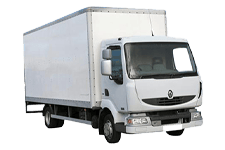
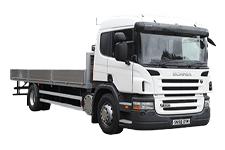
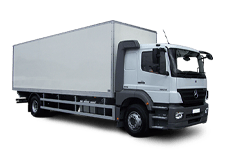
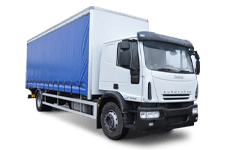
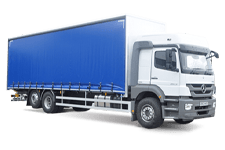
A 7.5 tonne dropside lorry is a different proposition: more length and width for scaffold, several pallets or larger machinery, but it needs a driver with the right entitlement, a route that suits a lorry and somewhere lawful to stand. Measure your longest item and count pallets before choosing, then ask the supplier to confirm the bed dimensions of the vehicle they allocate, because published sizes are only representative.
Sources: Nationwide Hire UK: 3 metre dropside, Nationwide Hire UK: 4 metre dropside, Nationwide Hire UK: dropside with tail lift, Nationwide Hire UK: 7.5 tonne dropside
Gross weight, payload and loading equipment are three separate numbers
Maximum authorised mass, often called gross vehicle weight, is the most the vehicle may weigh when fully laden, and it is normally shown on the plate or sticker. Payload is what remains once the vehicle itself, fuel, driver, passengers and fitted equipment are counted. A 3.5 tonne van does not carry 3.5 tonnes of goods; a representative 3 metre dropside may be listed at around 1,100 kg, but the allocated unit decides.
Tail-lift capacity is a third figure again. It limits what the platform can raise in one lift and says nothing about the total the truck can carry. Add up bags, blocks, pallets and packaging from delivery notes, allow for everyone in the cab, and ask the supplier for the payload of the specific vehicle. After a part drop, check the remaining load has not left one axle overloaded, and use a weighbridge if in doubt.
Sources: GOV.UK: vehicle weights explained, DVSA: HGV overloading basics, DVSA: load securing basics, Nationwide Hire UK: 3 metre dropside, Nationwide Hire UK: dropside with tail lift
Licence entitlement and who is allowed to drive
A standard category B car licence generally covers vehicles up to 3.5 tonnes maximum authorised mass, which takes in most dropside vans. Vehicles above 3.5 tonnes and up to 7.5 tonnes normally need category C1. Not every car driver holds C1, so check the categories printed on each named driver's current licence and compare them with the plated weight of the vehicle, rather than relying on memory.
Hire companies often set their own age, experience or document conditions on top of the legal position, and commercial use can bring further requirements. Ask what applies before paying anything, and add every person who might drive. Terms published by other operators are only an illustration of what to ask about; the contract you sign with your chosen supplier governs deposits, mileage, insurance and damage.
Sources: GOV.UK: driving licence categories, Third-party reference: Nationwide Hire UK terms and conditions, Nationwide Hire UK: 7.5 tonne dropside
Standing at a Torbay property when tools must stay on hand
Torbay Council offers parking dispensations for people carrying out work or services to premises who need constant access to their vehicle. The permission relates to a specific location: the vehicle may only park at or near the address stated. For a refurbishment where the dropside holds tools, cut materials and waste bags all day, that condition matters more than the size of the truck.
An ordinary drop-off does not automatically qualify, and a dispensation does not guarantee a space. Before collecting, decide whether your job genuinely needs the vehicle standing throughout, check current council conditions and the signs on the street, and ask the supplier when the allocated vehicle's details will be known. Then agree a real unloading position and a fallback with the occupier, such as a driveway, a lawful bay nearby or a shorter visit.
Restraining an open load before it leaves the yard
An open bed invites the assumption that heavy materials will stay put by weight alone. They will not: friction is never enough on its own under braking or cornering. Use rated straps on proper anchorage points rather than sheeting or rope hooks, keep dense items low and forward against the headboard, and consider anti-slip matting under pallets and smooth boards. Ask what restraint the supplier provides and bring your own if unsure.
Long lengths deserve extra thought. Measure how far anything projects beyond the rear or sides once loaded, then read the current official guidance on marking and advance notice for that projection. Close and latch every fold-down side before moving. Stop after a short distance to re-tension straps, because loads settle, particularly bagged aggregate and stacked timber.
Sources: DVSA: securing loads on HGVs and goods vehicles, DVSA: load securing basics, DVSA: ways to secure a load, DVSA and DfT: overhanging loads on vehicles
Side loading and unloading safely at the receiving address
The benefit of a dropside is side access, but a lowered side also becomes a trip edge and leaves a gap above the kerb. Choose firm, level ground where you can, set the parking brake and keep people clear of the drop zone while boards or pallets come off. Never climb onto a load to release it; lower sides one at a time after checking nothing has shifted against them.
Plan the unload with the receiver in advance: who lifts, what tools are available, where materials will be stored and whether a pallet truck can move on that surface. If the ground slopes, a tail lift or pallet truck may be unsafe, and splitting heavy items into smaller units by hand can be the better choice. Follow the manufacturer's instructions for any lifting equipment, and pause if conditions change.
Sources: HSE: safe loading and unloading, DVSA: securing loads on HGVs and goods vehicles